
Why is copper the future?
Why is Copper the Future?

In the grand tapestry of global commodities, few threads shine as brightly or carry as much weight as copper. Revered since antiquity for its unique properties and myriad uses, copper is now poised to play a pivotal role in the future of our modern world. As we stand on the precipice of a technological and green revolution, this metal is gearing up to become an indispensable resource. From powering electric vehicles to facilitating renewable energy solutions and driving digital technologies, copper's star is on the rise.
But what does this mean for the discerning investor? Simply put, it opens up a world of opportunities. This article aims to take you on a journey through the fascinating world of copper — from the intricacies of mining and the importance of high-grade ores to the increasing global demand. By the end, you will understand why copper is not just a part of our past, but a key to our future, offering a unique investment opportunity that is as solid as the metal itself.
The Intricacies of Copper Mining
Copper mining, a process as fascinating as it is complex, commences with the extraction of copper ore, which typically contains less than 1% of copper. This extraction can be achieved through either open-pit or underground mining methods. The mined ore then undergoes a crushing process, which paves the way for the subsequent steps between extraction and production.

In the first processing stage, the ore is finely ground before it is subjected to froth flotation. This method separates valuable copper minerals from the rest of the ore. During froth flotation, specific chemicals are introduced to make the copper particles repel water. Air is then forced through the mixture, causing the copper minerals to latch onto bubbles and ascend to the surface, while the waste rock descends.
After the copper-rich froth is isolated, it goes through several more processing stages, including thickening and filtering, to produce a concentrate comprising approximately 25-30% copper. The leftover liquid, known as tailings, is discarded.
This copper concentrate is then smelted to produce copper matte, which contains about 60% copper. A subsequent round of smelting and conversion eliminates any remaining iron and sulfur, resulting in blister copper that is 99% pure.
The final refining step involves electrolysis. An electric current is passed through the blister copper to purge any lingering impurities. The end product is sheets of 99.99% pure copper, ready to be fashioned into various products.
While copper mining yields numerous economic advantages, it also poses environmental challenges, such as the creation of waste rock and tailings that may contain harmful substances. Thus, responsible mining practices are essential to mitigate the environmental impact.
The Significance of High-Grade Copper
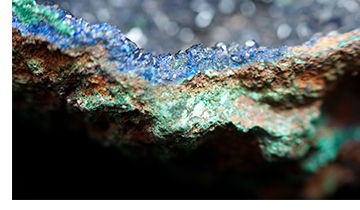
In the mining industry, the term "high-grade" refers to ore that carries a significant concentration of the target mineral. When we talk about copper mines, high-grade is indicative of copper ores that have a high percentage of copper content.
The grade of the ore plays a pivotal role in determining the profitability of a mining operation. The reason being, the higher the grade, the less amount of ore that needs to be processed to extract a given amount of copper. This correlation significantly reduces the costs associated with extraction and processing, which directly impacts the bottom line of a mining company.
The definition of a "high" grade can vary depending on the specific mineral in question and the particulars of the mining operation. However, within the industry, copper concentrations exceeding 1.0% are generally considered high-grade.
It's important for mining companies to seek out high-grade copper deposits because these deposits can significantly enhance profitability. High-grade copper requires less energy and resources to process, resulting in lower operational costs. Moreover, it often fetches a better price in the market, leading to higher revenue. This combination of lower costs and higher revenue is why high-grade copper is so coveted by mining companies.
However, high-grade copper deposits are not common. Only a handful of places around the world, including certain mines in Spain, China, Laos, Brazil. Australia and Canada boast a high-grade of over 5%. This scarcity adds another layer of value to high-grade copper deposits, further underscoring their importance to mining companies.
Identification of Copper Ores
Identifying high-grade copper based on its color can be a bit challenging as the color of copper ore can vary depending on the type of copper mineral and the impurities present. However, there are a few general guidelines that can help.
Copper minerals are generally found in the green to blue to turquoise range, often with a streak or vein of metallic copper color running through it. Here are a few examples:

1. Chalcopyrite
This is the most common copper mineral and accounts for the largest percentage of the world's known copper supply. It has a brassy yellow color, often with a greenish hue, and can tarnish to a variety of colors including purple, blue, or pink.
2. Bornite
Known as "peacock ore," bornite has a purplish-blue tarnish that gives it a vibrant, peacock-like appearance.
3. Malachite
A bright green copper carbonate mineral, malachite is easy to identify thanks to its unique color.
4. Azurite
This copper mineral is a deep, azure blue and often occurs in association with malachite.
5. Chrysocolla
This mineral ranges from blue to green and often occurs in botryoidal (globular) formations.
Remember, while color can be a helpful indicator, it's not definitive proof of high-grade copper. Other factors, such as the structure of the mineral, its hardness, and its location, should also be considered.
The Rising Demand for Copper
Copper stands as a critical component in the process of electrification for the decarbonization target and for this reason it is currently experiencing an unprecedented surge in demand. In fact, by the year 2031, it is projected that the annual demand for copper will rise to a staggering 36.6 million metric tons. While current supply estimates, calculated based on the resumption of certain probable electrification projects and recycled production, could potentially cater to 30.1 million metric tons, there remains a significant gap. An additional 6.5 million metric tons of capacity, which equates to an increase of 20% is yet to be discovered and tapped into.
But the speed at which demand for copper is going up in various industries is too fast for the supply to catch up. Sectors such as construction, electronics and renewables are all competing for a share of the limited supply and this isn’t likely to change anytime soon.

Electronics and Telecommunications: In the electronics industry, copper's superior conductivity makes it integral to a wide array of products, from your everyday household appliances to the most advanced computer technologies. Similarly, in telecommunications, copper is used in data cables, including DSL and HDTV cables, due to its excellent signal transmission properties. For this reason the electronics industry is the biggest user of the global copper supply, taking almost 32% of globally produced copper.

Construction Industry: Copper is widely used in the construction industry due to its durability, corrosion resistance, and excellent electrical conductivity. It's the material of choice for wiring, plumbing, and heating systems in residential and commercial buildings. As of 2020, the global construction industry was using almost 28% of the copper supply. As urbanization accelerates, particularly in developing countries, the construction sector's demand for copper is expected to rise.
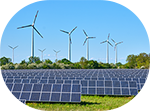
Renewable Energy and Electric Vehicles (EVs): Perhaps the most significant driver of future copper demand is the global shift towards green energy and electric vehicles. Copper is a crucial component in both solar and wind energy systems, as well as in electric vehicles. An average EV uses up to four times as much copper as a conventional car. As the world intensifies its efforts to combat climate change by embracing renewable energy and EVs, the demand for copper is set to skyrocket.

Healthcare: Another less-known but equally important use of copper is in healthcare. Because of its antimicrobial properties, copper is used in medical devices and hospital infrastructures to prevent the spread of bacteria and viruses. This usage has gained increased attention during the COVID-19 pandemic.
As our world continues to modernize and evolve, so too does our reliance on copper. This trend is not just a temporary phase but a long-term shift, ensuring copper's position as a crucial resource for years to come.
Investor Takeaway
Copper, with its crucial role in green technologies and infrastructure development, presents a promising investment opportunity for investors with their eyes set on the future. The global shift towards sustainable energy and electric vehicles is expected to significantly boost copper demand, given its excellent electrical conductivity. Simultaneously, rapid urbanization, especially in emerging economies, necessitates extensive usage of copper in construction. However, high-grade copper is becoming increasingly scarce, potentially leading to future supply constraints that is likely to make copper even more valuable. Adding to this, copper serves as an effective hedge against inflation and offers diversification benefits for investors, as its performance often has a low correlation with traditional asset classes. Therefore, investors should consider seizing this opportune moment to invest in copper before the demand further escalates leading to windfall profits for anyone invested in commodities that are driving the decarbonization drive.