
Why investing in renewable energy is a smart choice
Why investing in renewable energy is a smart choice

Imagine a world where energy is limitless, clean, and cheaper than fossil fuels—this is not a distant dream but a current reality, driven by the booming renewable energy sector. The urgency to address climate change has catalyzed a transformative shift in energy production. As the world pivots from fossil fuels to cleaner alternatives, renewable energy emerges not just as an environmental imperative but as a lucrative investment opportunity. For investors seeking growth, stability, and a future-proof portfolio, the renewable energy sector offers a compelling proposition backed by robust data and real-world success stories.
The Unstoppable Growth of Renewable Energy
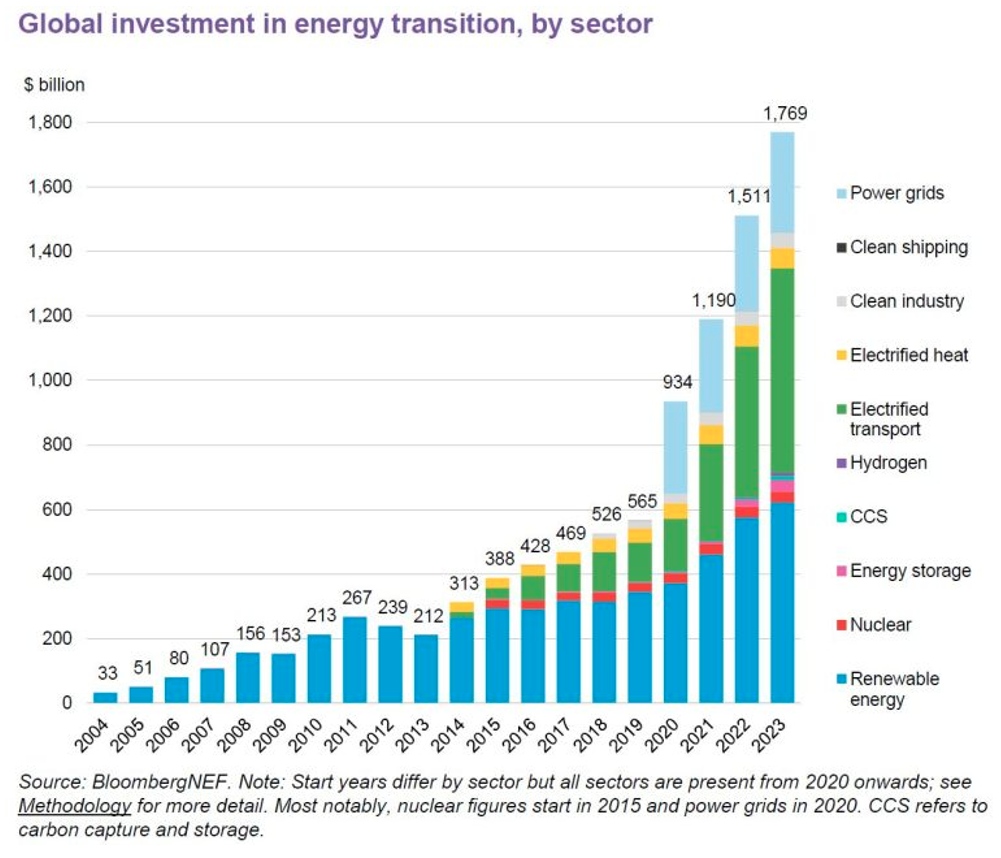
In recent years, renewable energy has transitioned from a niche market to a mainstream powerhouse. According to BloombergNEF, global investment in renewable energy reached a record $1.7 trillion in 2023, reflecting a significant uptick from previous years. This surge is a testament to the escalating demand for clean energy solutions and the sector's expanding profitability.
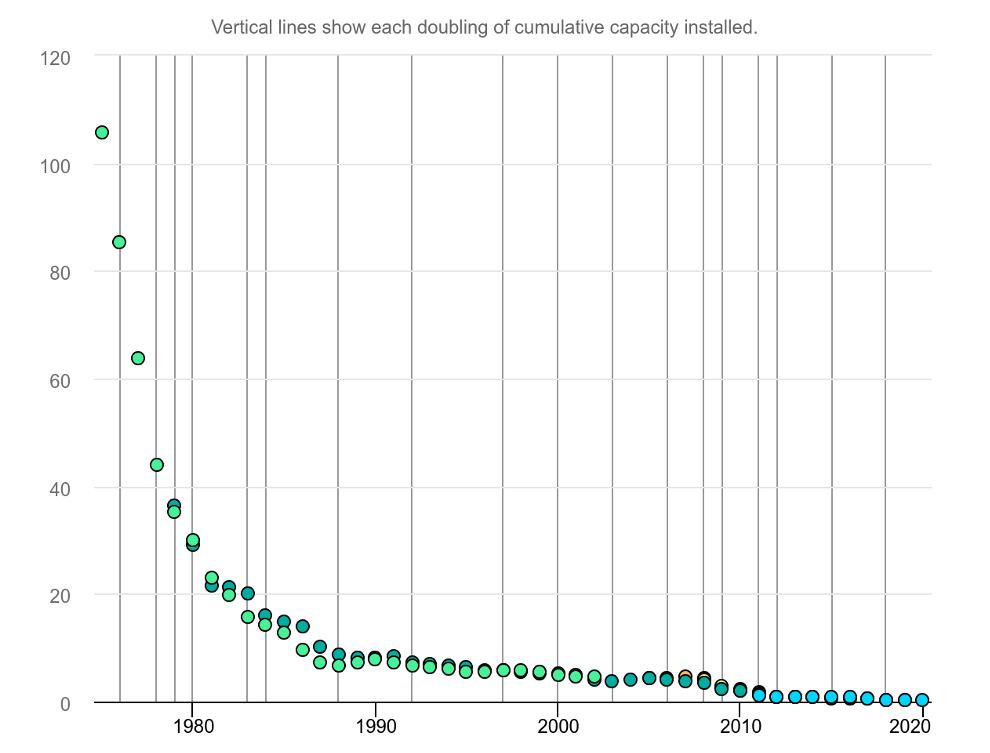
Advancements in technology have played a pivotal role in this growth. The International Renewable Energy Agency (IRENA) reported that the cost of electricity from solar photovoltaics plummeted by 85% between 2010 and 2020. Similarly, the cost of onshore wind energy decreased by 56% during the same period. These cost reductions have made renewable energy sources increasingly competitive with, and often cheaper than, traditional fossil fuels.

Governments worldwide are amplifying this momentum through supportive policies and incentives. The European Union aims to achieve 42.5% renewable energy consumption by 2030, bolstered by the ambitious European Green Deal. In the United States, the Inflation Reduction Act of 2022 allocates $369 billion towards energy security and climate change initiatives, offering substantial tax credits and incentives for renewable projects. China's commitment to carbon neutrality by 2060 includes plans to install 1,200 GW of wind and solar capacity by 2030, while India targets 450 GW of renewable energy capacity by the same year.
These policy-driven incentives not only accelerate the adoption of renewable technologies but also create a favorable investment climate. They reduce regulatory risks and enhance the financial viability of renewable projects, providing investors with a more predictable and secure environment.

Avoiding the Pitfall of Stranded Assets
Investments in traditional fossil fuels are increasingly fraught with risk. Regulatory changes, market dynamics, and social pressures are converging to make coal, oil, and gas less attractive. The introduction of carbon pricing, stricter emission standards, and decreasing global demand for fossil fuels heighten the possibility of these assets becoming stranded, losing their value before the end of their expected economic life.
Carbon Tracker estimates that up to $1 trillion in fossil fuel investments could become stranded by 2035 if global temperatures are to be kept within the Paris Agreement targets. In stark contrast, renewable energy assets are aligned with global sustainability goals and are less susceptible to regulatory obsolescence. This alignment reduces long-term risks and enhances the appeal of renewable investments.
A Future-Proof Investment Strategy
Renewable energy investments offer a unique combination of stability and growth potential. Many renewable projects operate under long-term power purchase agreements (PPAs), which provide stable revenue streams over periods ranging from 15 to 25 years. These agreements shield investors from short-term market fluctuations and ensure predictable cash flows.
Moreover, renewable energy sources are inherently resilient against market volatility. Unlike oil and gas, which are subject to commodity price swings and geopolitical tensions, renewable energy relies on abundant and inexhaustible natural resources like sunlight and wind. This reliance insulates renewable investments from many of the risks that plague traditional energy markets.
Technological innovation continues to enhance the efficiency and profitability of renewable energy. Advances in energy storage, grid integration, and smart technologies are unlocking new revenue streams and operational efficiencies. Investors who align with companies at the forefront of these innovations position themselves to capitalize on the sector's upward trajectory.
Case Studies
NextEra Energy
NextEra Energy, one of the world's largest producers of wind and solar energy, exemplifies the financial potential of renewable investments.
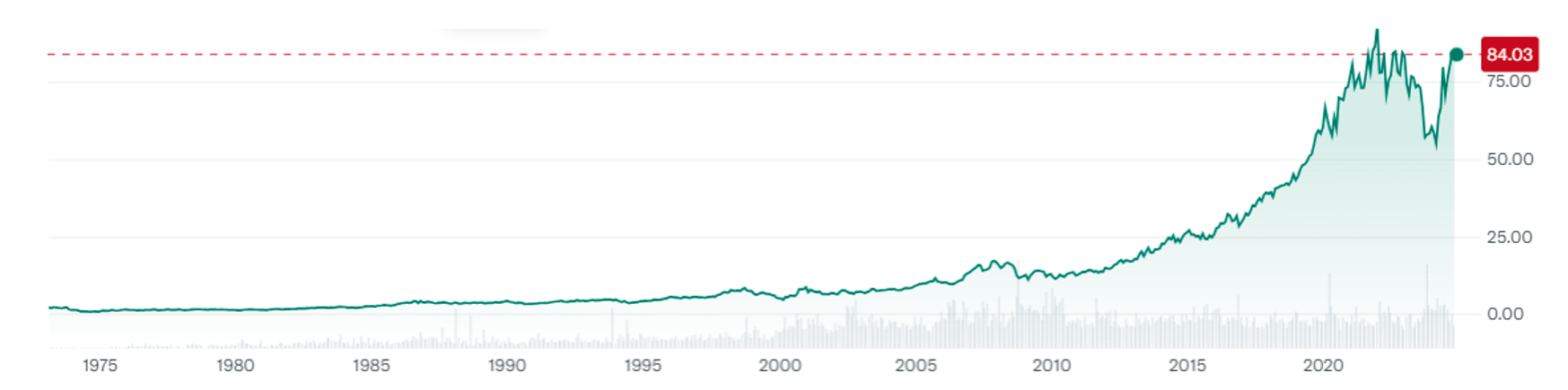
From 2010 to 2022, the company's stock price has more than doubled. NextEra's success demonstrates how investing in renewable energy can yield substantial returns while contributing to environmental stewardship.
Ørsted
Formerly a fossil fuel-centric company, Ørsted underwent a profound transformation to become a global leader in offshore wind energy. Since its initial public offering in 2016, Ørsted's market capitalization has more than doubled. The company's strategic investments in offshore wind farms across Europe, Asia, and the United States have not only driven its financial performance but also positioned it as a pioneer in the renewable sector.
Brookfield Renewable Partners
Brookfield Renewable Partners owns and operates a diverse portfolio of renewable assets, including hydroelectric, wind, and solar facilities. Over the past 15 years, the company delivered annualized total returns of approximately 15%. Brookfield's growth strategy focuses on acquisitions and development projects that expand its global footprint, showcasing how diversification within the renewable sector can enhance investment returns.
Tesla, Inc.
Beyond its prominence in electric vehicles, Tesla has made significant strides in solar energy and battery storage solutions.
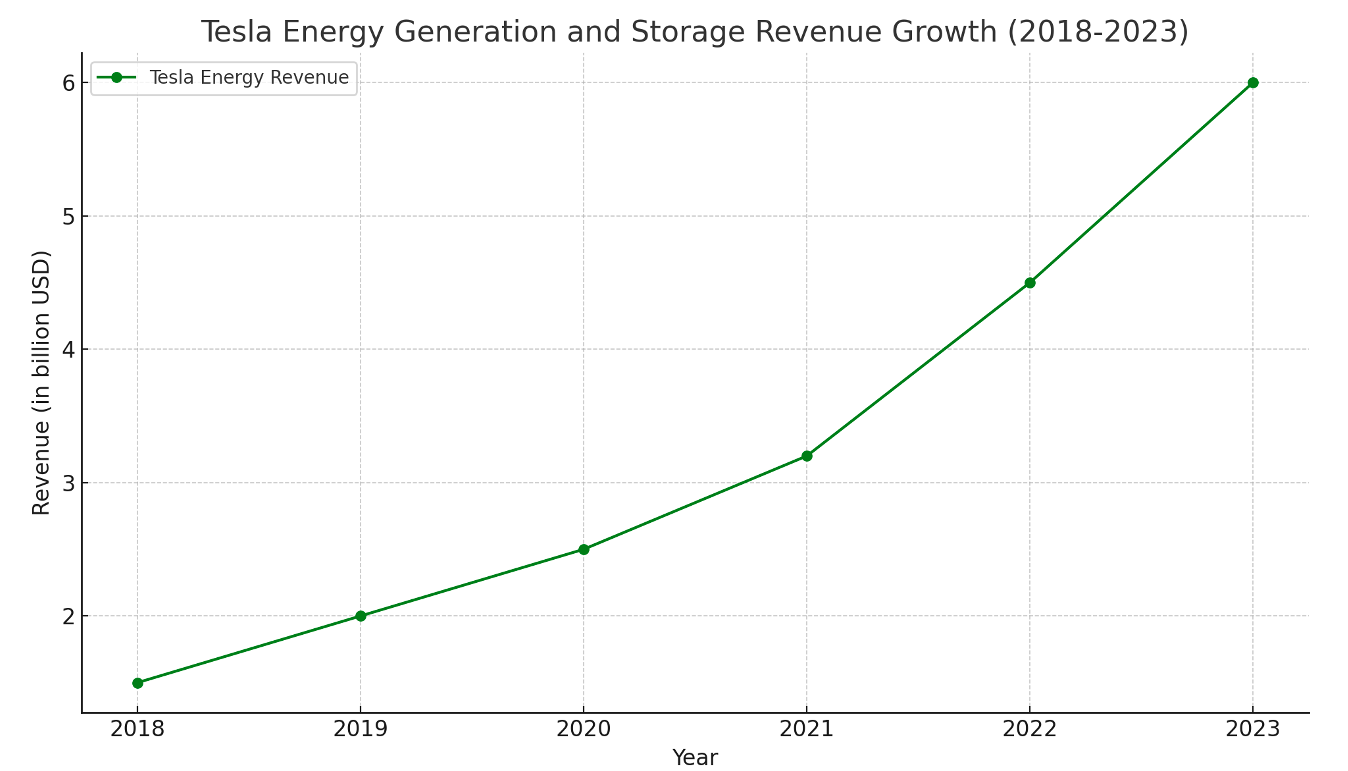

In 2023, Tesla's energy generation and storage division generated revenues of $6 billion, marking substantial growth. Innovations like the Tesla Powerwall and Megapack have revolutionized residential and commercial energy storage, illustrating the profitability of integrating renewable energy technologies with cutting-edge storage solutions.
Navigating Potential Risks
Investing in the renewable energy sector offers significant growth opportunities, but it is crucial for investors to understand and manage the associated risks to make informed decisions.
Technological Advancements
Rapid innovation can render existing renewable technologies obsolete, potentially diminishing asset values and returns. Investors can mitigate this risk by diversifying their portfolios across various renewable technologies such as solar, wind, and hydroelectric power and by focusing on companies with strong research and development capabilities and a track record of adaptability.
Regulatory and Policy Uncertainties
The sector is heavily influenced by government policies, subsidies, and regulations. Changes in political leadership or policy priorities can impact the financial viability of renewable projects. To reduce this risk, investors should focus on countries with stable political environments and invest in companies that proactively engage with regulators and maintain robust compliance programs.
Market Saturation and Competition
Increased competition as more players enter the market can pressure prices and profit margins. Investors can navigate this risk by targeting companies with competitive advantages, such as proprietary technologies, patents, or superior operational efficiencies, and those that can leverage economies of scale to reduce costs and improve margins.
Supply Chain Dependencies
Renewable technologies often rely on specific raw materials sourced from regions with geopolitical risks or supply constraints. Mitigation strategies include investing in companies that diversify their supply chains across multiple suppliers and regions or have vertically integrated operations to gain greater control over materials and production processes. Supporting companies committed to ethical and sustainable sourcing practices can also reduce risk.
Financial and Operational Risks
Substantial capital investments, potential cost overruns, project delays, and operational inefficiencies can impact profitability. Investors should evaluate companies' financial health by examining their balance sheets and cash flow stability. Prioritizing firms with a proven track record of executing projects on time and within budget, as well as assessing their risk management practices—including hedging strategies and contingency planning—can safeguard investments.
Environmental, Social, and Governance (ESG) Considerations
Companies neglecting environmental or social responsibilities may face reputational damage, legal challenges, or loss of investor trust. Investors can address this risk by investing in companies with strong ESG ratings and transparent reporting practices. Choosing firms that actively engage with stakeholders and implement sustainable operational practices contributes positively to both financial performance and societal outcomes.
Macroeconomic Factors
Interest rate fluctuations, currency exchange rates, and global economic downturns can affect renewable energy investments. Investors can mitigate these risks by diversifying investments geographically to offset localized economic impacts, investing in companies with flexible business models that can adapt to changing economic conditions, and staying informed about global economic trends to adjust strategies proactively.
Investor Takeaway
The renewable energy sector presents a unique convergence of profitability, sustainability, and resilience. Its growth is underpinned by technological advancements, supportive government policies, and shifting consumer preferences toward cleaner energy. Investing in renewables offers the potential for strong financial returns while contributing to global efforts to combat climate change.The current landscape presents an opportune moment for investment:
- • Accelerated Global Momentum: International agreements like the Paris Accord and national policies are driving unprecedented investment in renewable infrastructure.
- • Economic Stimulus Focus: Post-pandemic recovery plans across many nations prioritize green investments, further fueling sector growth.
- • Investor Sentiment: There is a growing trend toward Environmental, Social, and Governance (ESG) investing, with more capital flowing into sustainable assets than ever before.
By incorporating renewable energy investments into your portfolio, you position yourself at the forefront of an irreversible global shift. This strategic move not only offers the potential for attractive financial returns but also aligns your investments with a sustainable and responsible future.