
Luxury Investments Explained
Luxury Investments Explained: A Guide for HNWI
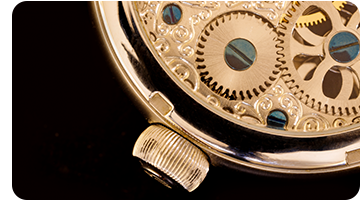
As a high-net-worth individual, your investment strategy should extend beyond traditional asset classes. Luxury assets such as fine watches and fine art are more than status symbols, they are appreciating assets that have historically yielded strong financial returns.
Investing in these luxury items offers a blend of portfolio diversification, hedge against inflation, and cultural prestige. This guide explores why watches and fine art stand out as premier alternative investments and how you can leverage them to grow your wealth.
Luxury Watches: Timeless Investments with Lasting Value
A fine watch is more than an accessory, it is a mechanical masterpiece, a store of wealth, and a lucrative investment. The luxury watch market has demonstrated consistent appreciation, often outperforming stocks, gold, and even real estate. The global luxury watch market is expected to reach $72 billion by 2030, driven by demand in Asia and the Middle East. Brands such as Rolex, Patek Philippe, and Audemars Piguet have set the standard for investment-grade watches.
Why Invest in Luxury Watches?
Market Demand & Scarcity: Limited production and exclusivity make certain models highly desirable.
Historical Performance: Some luxury watches have appreciated by 300% to 500% over the past two decades. For instance, a Rolex Submariner (Ref. 16610) purchased in the early 2000s for approximately $4,000 now commands over $8,000 in the secondary market.
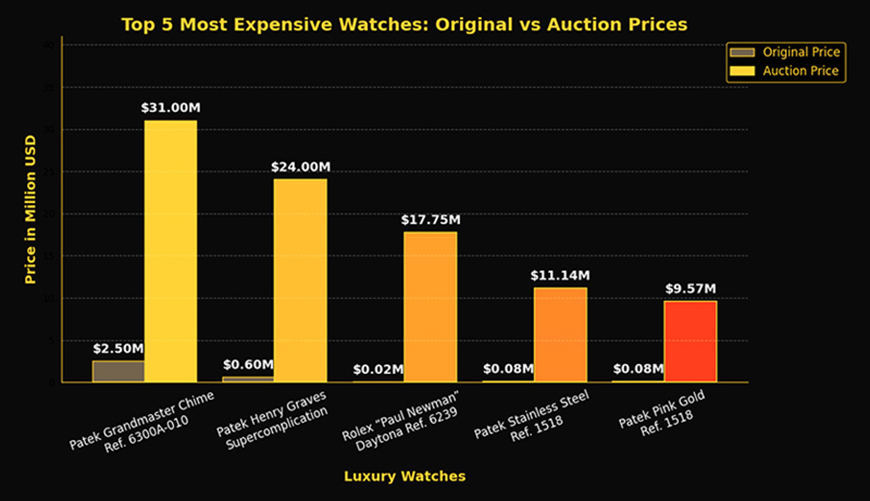
Cultural Prestige & Heritage: Owning a luxury watch is a statement of sophistication and success. Particularly auctioned watches that belong to famous personalities. For instance, in 2017, Paul Newman’s Rolex Daytona set an auction record, selling for $17.75 million.
Resilience in Economic Downturns: Luxury watches, particularly rare and limited-edition pieces, tend to retain value even during financial crises.
Strong Secondary Market Growth: The pre-owned watch market has seen a 20% annual growth rate over the past five years and 147% over the last 10 years according to Knight Frank study making it a formidable asset class.
For instance, the Patek Philippe Nautilus 5711 saw its secondary market price surge from $30,000 in 2019 to over $100,000 in 2025, demonstrating the strong demand and limited supply that drive appreciation.
Similarly, Patek Philippe Grandmaster Chime was auctioned for $31 million in 2019 becoming the most expensive watch ever sold.
Fine Art: A Canvas of Wealth & Cultural Significance
Investing in fine art is one of the most sophisticated and rewarding strategies for high-net-worth individuals. Masterpieces from legendary artists not only retain and appreciate in value but also carry significant historical and cultural importance.
Why Invest in Fine Art?
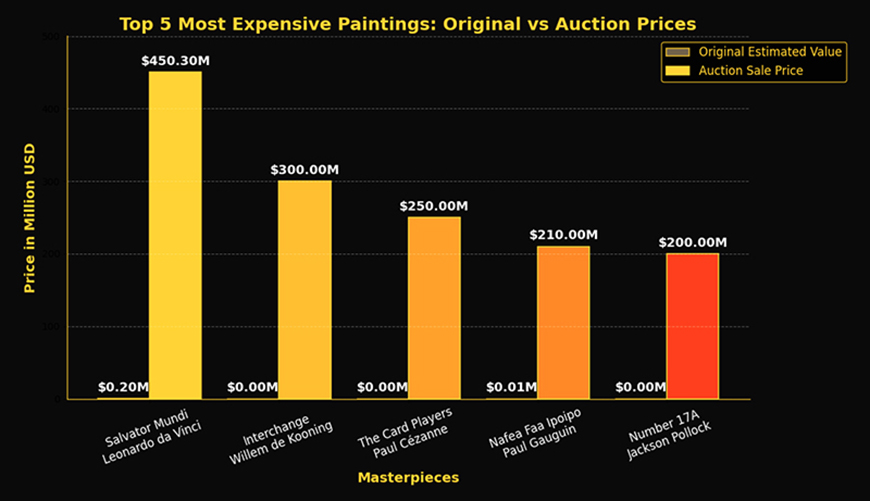

Tangible Asset with Scarcity: Unlike stocks, fine art is a physical asset, and the number of original masterpieces is finite. The value of works by artists such as Jean-Michel Basquiat and Banksy has surged dramatically, with Basquiat’s 'Untitled' (1982) selling for $110.5 million in 2017, compared to its first sale of $4000 in 1984.
Strong Historical Returns: Between 1995 and 2022, contemporary art delivered a compound annual growth rate of 12.6%, surpassing the S&P 500, which had an average annual return of 9.8% over the same period.
In 2022, the global art market reached $67.8 billion, showing resilience despite economic downturns.
Notably, the Artprice100 index, which tracks the top-performing artists in the market, appreciated by over 30% in the last two decades, highlighting the strong demand for high-value pieces.
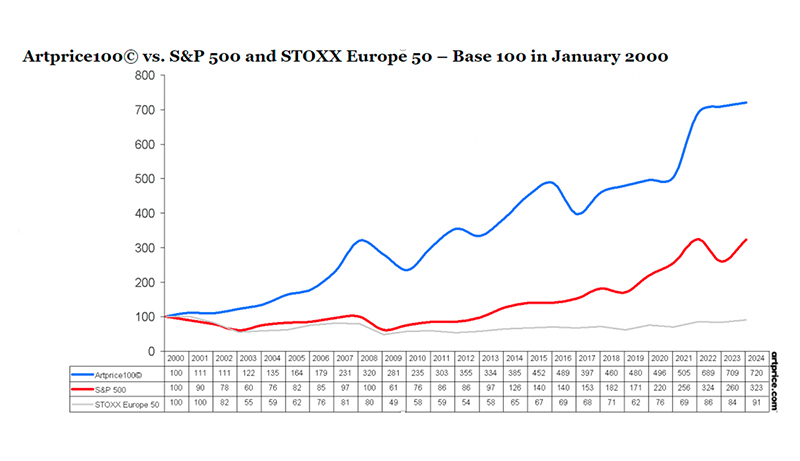
Portfolio Diversification: Art has a low correlation with traditional asset classes, making it a valuable hedge against market volatility.
Exclusive Market: Access to blue-chip art is often limited to elite collectors, adding exclusivity to ownership. Private collectors and hedge funds have increased their art acquisitions, further stabilizing the market. According to the Art Basel and UBS Global Art Market Report (2023), private sales in the art market accounted for $67.8 billion in 2022, a 3% increase from the previous year, with a growing share attributed to institutional investors.

Wealth Preservation: Art has been a consistent store of value, often appreciating during inflationary periods. According to the Deloitte Art & Finance Report (2021), 85% of wealth managers believe art should be included in wealth portfolios as a hedge against inflation.
Blue-chip artists such as Picasso, Basquiat, and Monet have consistently outperformed traditional investments. For example, Pablo Picasso’s 'Les Femmes d'Alger' (Version O) sold for $179.4 million in 2015, up from $31.9 million in 1997, reflecting an appreciation of over 460%.
Additionally, Claude Monet’s 'Meules' set a record for an Impressionist painting, selling for $110.7 million in 2019, demonstrating the strong and sustained demand for top-tier artworks.
Cultural and Emotional Value:
Unlike traditional investments, fine art offers the unique benefits of aesthetic enjoyment and cultural contribution.Key Investment Considerations & Risks
While watches and fine art offer exceptional return potential, investors should carefully consider the following:
- 1. Authenticity & Provenance: Fraud is a concern, making expert verification crucial.
- 2. Liquidity Constraints: While demand is high, selling luxury assets can take time.
- 3. Storage & Maintenance: Proper preservation is necessary to maintain value.
- 4. Market Cycles: Both asset classes experience market fluctuations.
- 5. Insurance Costs: High-value luxury investments require specialized insurance coverage.
- 6. Market Trends & Investor Sentiment: A shifting cultural preference can impact valuations significantly.
- 7. Tax Considerations: Depending on jurisdiction, capital gains tax and inheritance tax implications should be analyzed.
Investor Takeaway
For high-net-worth individuals, luxury watches and fine art offer compelling opportunities for financial growth, cultural appreciation, and legacy-building. These assets provide a level of exclusivity and security that traditional investments may lack.
By strategically acquiring rare, investment-grade watches and museum-quality art, you can diversify your portfolio and secure long-term wealth appreciation.
With the right expertise and guidance, investing in luxury can be more than a passion—it can be a pathway to financial security and generational wealth. Understanding market cycles, leveraging expert advice, and focusing on authenticity will ensure that your luxury investment portfolio stands the test of time.