
Is real estate a good investment hedge against inflation?
Is Real Estate a Good Investment Hedge Against Inflation?
Inflation is a term that is often tossed around in the media and by economists, but what does it actually mean? In short, inflation is when the prices of goods and services increase. This can pose a problem for investors who are looking to protect their portfolios against this type of economic risk. One potential investment hedge against inflation is real estate. Let's take a closer look at this asset class and see if it makes sense for you.

What do smart investors think about real estate?
Historically, real estate has been a good hedge against inflation. Inflation erodes the value of cash and other investments, but home prices and rents usually keep pace with or exceed the rate of inflation. This makes buying a home - or investing in real estate a smart way to protect your purchasing power.
Looking at the investment portfolios of high net worth individuals. We can find these smart investors investing up to 27% into the real estate sector.
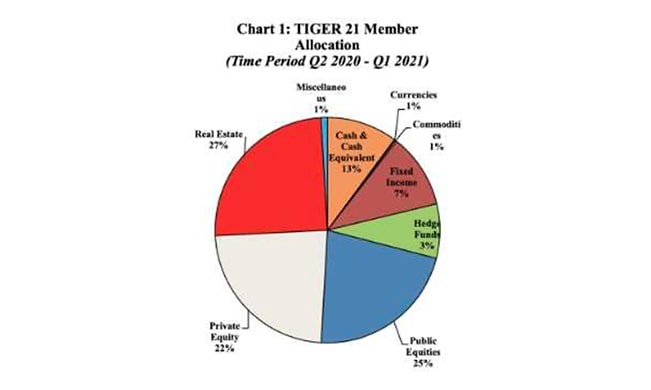
Figure 1: Source: How much of your portfolio should be real estate
The figure 1 above, shows the asset allocation of TIGER 21 (group of high net worth investors) members between 2020 and 2021. This corresponds to the peak pandemic lockdown period globally. During this period inflation rates were unpredictable, as shown below.
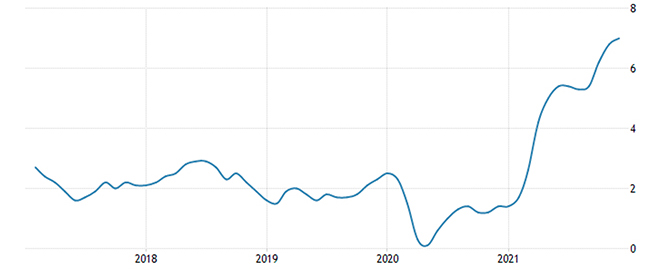
Figure 2: Inflation rate in the US | Source: Trading Economics
Global lockdowns caused demand to tank down. As time passed and the world began to open up despite the pandemic, a number of factors such as pent up demand and supply chain issues started to push the rate of inflation upwards.
Let us now look at what this did to the real estate market in the USA.
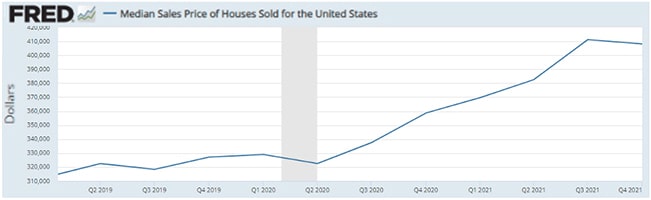
Figure 3: Median house sales price: Source | Fred
Figure 3 shows us that the real estate prices prior to the pandemic were relatively stable. The median sale price of houses in the USA was hovering around USD 330,000. Onset of the pandemic pushed the economy into a recession that caused the real estate sector to slow down for a quarter and median prices dropped down to USD 320,000.
Q2 of 2020, saw recovery and this is when the prices began to shoot upwards. Now read both figure 2 and figure 3 together. You can see that the median house price and inflation, both start to go up at the same time. At this point, any investor with industry knowledge and foresight would have invested in real estate.
This is exactly what we see with the Tiger 21 investors. By investing as much as 27% of their portfolios into real estate, these high net worth investors very intelligently used real estate investment as a hedge against inflation.
High net worth investors are also known as smart investors. This is because they have the foresight and industry knowledge to make smart investing decisions to reap high profits. If these high net worth investors are allocating almost a quarter of their portfolio into real estate, then it follows that they must have confidence that this sector is going to provide them with their desired return and stability.
Dynamics of the US real estate market
There is a reason why smart investors are interested in real estate at this time. The internal dynamics of the US real estate market in particular and the global real estate market, in general, are such that there is very little risk in this sector at the moment.

The real estate market, like any other market, operates on the basic economic rules of demand and supply. At present, the US housing market is showing historically low supply, which is putting upward pressure on prices.
Market convention dictates that at any given time, the real estate market should have six months worth of inventory to keep the prices stable. In December 2020, the market only had roughly 2 months worth of inventory. As a result of this short supply of real estate, prices jumped from 7% to 19% between September 2020 and June 2021.
According to a report by Zillow, the total worth of the US real estate market increased by an astounding USD 6.9 trillion in 2021. December 2021 saw the lowest inventory levels for real estate. This lead to an annual price rise of over 19% and a rent hike by 15.7% compared to 2020.
Based on this information, it can be safely concluded that the US property market is going to remain a seller’s market for the foreseeable future. The market will face an acute shortage of housing, which will push prices upwards making real estate a very profitable asset class.
What is driving this demand?
Firstly, the USA has an affordable housing crisis. A number of factors have contributed to this crisis. Discussing them all is not the objective of this article. But lack of affordable housing schemes by the government has created a demand for housing in the private sector.
Secondly, mortgage rates are at an all-time low and they are likely to remain low in the foreseeable future. Low-interest rates promote spending, which the US government needs right now to recover from the pandemic induced recession. Low rates, make buying houses cheaper. This is driving more buyers into the market.
Thirdly, the pandemic has acted as a catalyst. Millennial couples are now showing an increased demand for single-family homes. The fact that people can now work from home and the rise of the gig economy have allowed people to move away from urban centres and look for housing in suburbs.
Investor Takeaway
The US real estate market is a seller’s market and likely to remain such for the foreseeable future. With inflation on the rise, investing in property can provide a good hedge against rising prices. If you are looking for an investment opportunity that will keep up with inflation, then it may be time to start considering your options in real estate.