
Is copper really the new oil?
Is Copper really the new oil?

As we navigate the pathway towards a sustainable future, copper's role is becoming increasingly vital. Copper, which is known for its cost-effectiveness and conductivity, is instrumental in harnessing, storing, and transporting renewable energy sources. The transition from oil to renewables is, in fact, heavily reliant on a surge in the use of copper and other essential metals.
Given this context, there's a growing belief that copper could indeed be the 'new oil'. It's not just about its application in green technology, but also the forecasted market dynamics. According to BloombergNEF, the price of copper is projected to rise by more than 50% by 2040. This significant increase is driven by the escalating demand for copper in clean energy applications and the slow pace of new supply coming online.
This potential price surge presents a compelling case for copper, highlighting its strategic importance in our journey towards sustainability and net-zero emissions. As we continue to strive for ambitious climate goals, copper's value, both in its practical use and as an investment, is poised to shine brighter than ever.
Copper: Powering the Accelerated Transition to Green Energy

The transition to green energy is not just a prediction or a distant dream anymore, it's happening right now. And it's occurring at a pace faster than anyone expected. According to a report from The New York Times, "wind and solar power are breaking records, and renewables are now expected to overtake coal by 2025 as the world's largest source of electricity". This swift shift towards renewable energy sources is creating an unprecedented demand for certain materials, among which copper stands out.
Copper plays a critical role in this new era of renewable energy. It is a key component in electric vehicles (EVs), renewable energy infrastructure, and sustainable practices. As the world increasingly shifts towards green energy, the demand for copper is expected to surge.
According to the International Renewable Energy Agency (IRENA), the success of the energy transition depends on transforming the global energy sector from fossil-based to zero-carbon sources. Copper, with its excellent conductivity and durability, is essential for this transformation. It's used extensively in wind turbines, solar panels, and EVs.

Dr Richard Adkerson, CEO and Chairman of Freeport-McMoRan Inc., a leading copper mining company, believes that the doubling of copper prices in 2021 was not just a typical market fluctuation but was backed by fundamental factors and scarce inventories. This, he says, is reminiscent of the surge seen a decade ago when China's industrial growth outpaced supply, leading to record-high prices. He suggests that current conditions are creating a 'magical opportunity' for Freeport, especially as the company begins production at its vast Grasberg mine in Indonesia.

Patricia Mohr, a prominent commodity market specialist, asserts that the current sentiment around copper is more influenced by the positive impact of decarbonization and future demand rather than China's current economic outlook. She predicted that copper prices, which reached a new high of $4.88 per pound in May 2021, would stabilize around $4.25 in 2022 and this is exactly how the prices worked out. She also forecasted a potential decline in price into 2023 due to the introduction of approximately 2.4 million tonnes of new mine supply from several companies, including Ivanhoe Mines, Teck Resources, First Quantum, and BHP.
Source: Business InsiderDespite this, Mohr expects copper prices to surge to $5 per pound and above in the latter half of the decade. This is due to an anticipated sharp decrease in mine capacity around 2025, combined with heightened demand for copper from electric vehicles (EVs) and renewable power sectors.
Mohr notes that many governments worldwide have adopted decarbonization goals aiming to reach net zero by 2050, which will require high levels of EV sales, further driving the demand for copper.
Geopolitics and Copper: The New Oil in the Energy Transition

Like oil, copper production and distribution are influenced by a complex web of geopolitical factors. These factors can impact global markets and are crucial for investors to understand.
Principal Producing Countries and Policy Directions
The copper market is highly dependent on the political and economic policy directions of the principal producing countries. According to a report by IFP Energies Nouvelles, policy changes or political instability in these countries can affect the global copper supply.
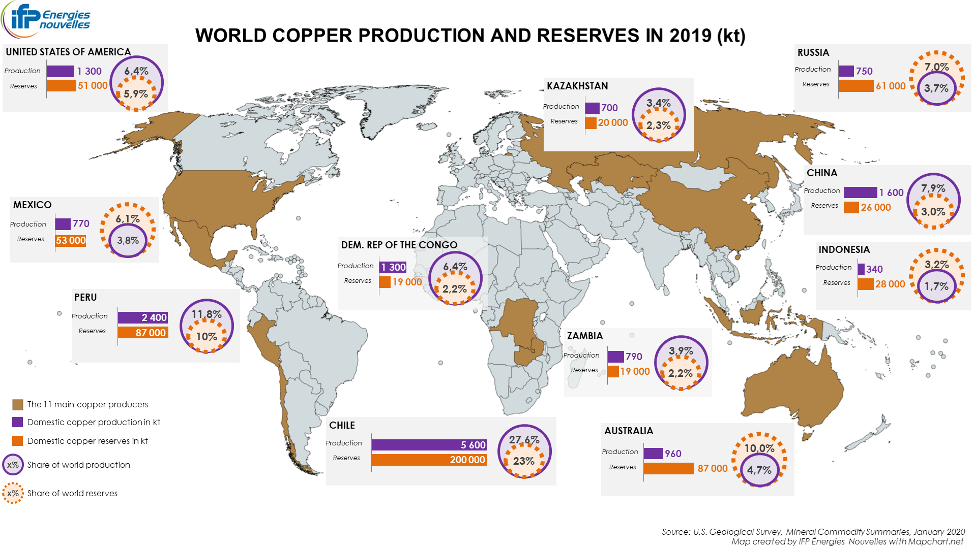
Renowned economist, Paul Stevens, explains, "Just like we've seen with oil, the production of copper is concentrated in certain regions. This leaves the market susceptible to geopolitical tensions and potential supply disruptions".
Water Stress and Environmental Impact

Another key factor is the environmental impact of copper mining. IRENA's report on the Geopolitics of the Energy Transition points out that critical material mining projects can exacerbate water stress. Moreover, copper production can also impact the environment through natural processes such as volcanic eruptions, windblown dust particles, decaying vegetation, and forest fires.
As per insights from ISS Governance, "Copper, while less problematic than cobalt and lithium, still has a number of environmental, social and governance (ESG) issues that need to be addressed"
Supply Risks and ESG Issues
ESG issues and geopolitical tensions are major causes of disruption in the mining sector, according to a report by Ernst & Young. These factors can influence the supply and demand dynamics of copper, drawing parallels to the oil industry.
While copper is vital for the energy transition, its production and distribution are influenced by a myriad of geopolitical factors. Understanding these dynamics can help investors make informed decisions and potentially reap significant benefits as the world accelerates towards a greener future.
Copper: An Investment Opportunity for the Future
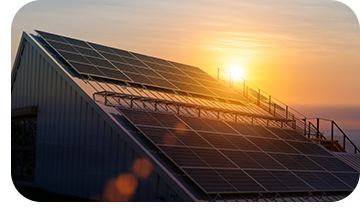
Copper, a critical component in green technologies, presents significant investment opportunities. As the world accelerates towards a greener future, the demand for copper is poised to increase, making it an attractive prospect for both short-term and long-term investors.
Short-Term Investment Opportunities
In the near term, copper futures present a high-risk yet potentially lucrative investment prospect. These contracts offer investors the opportunity to speculate on future copper prices, with substantial profits possible if their forecasts prove accurate.
For those seeking a more convenient short-term investment avenue, Copper Exchange-Traded Commodities (ETCs) provide an attractive alternative. ETCs track the price of specific commodities, allowing investors to gain exposure to the copper market without the need for physical ownership or storage. This approach offers a seamless way to leverage the opportunities presented by the burgeoning copper market.
Long-Term Investment Opportunities
For long-term investors, copper mining companies present a promising opportunity. Companies with a strong track record are well-positioned to benefit from the increasing demand for copper.
Investing in copper can also be done indirectly through shares of companies that mine, refine, and trade copper. With copper prices predicted to increase by almost 50% by 2040, investing in certain companies can provide significant returns over the long term.
Diversify Your Portfolio with Copper
Copper presents an attractive opportunity for investors looking to diversify their portfolios. Due to its diverse use across various industries, copper has a low correlation with other commodities, making it an ideal addition for portfolio diversification.
Investor Takeaway
Copper, often referred to as 'the new oil', is emerging as a lucrative investment opportunity. The increasing global demand for copper in renewable energy technologies, electric vehicles, and sustainable practices underlines its potential for robust returns.
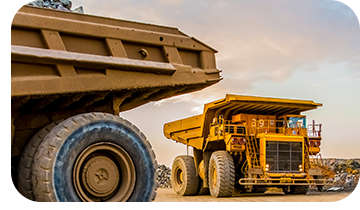
As the world accelerates towards a greener future, the demand for copper is poised to rise, offering both short-term and long-term investors an attractive prospect. Whether through futures, Exchange-Traded Commodities (ETCs), or shares in mining companies, investors have a variety of ways to gain exposure to the copper market.
However, like any investment, copper comes with its own set of risks, including market volatility, regulatory changes, and geopolitical factors. Therefore, a thorough understanding of these dynamics is crucial for informed decision-making.
Given the pivotal role of copper in the green energy transition and its growing demand, copper presents a compelling investment opportunity for those looking to capitalize on the global shift towards sustainability. Considering the rising demand and supply challenges, channelling investments into copper presents a strategic move for substantial long-term returns.