
Is Antimony an important metal in 2025?
Is Antimony an important metal in 2025?
In 2024, China's decision to restrict antimony exports sent shockwaves through global markets, doubling prices and putting the spotlight on this often-overlooked metal. As the global economy pivots towards sustainability and advanced technologies, antimony is emerging as a linchpin of critical industries like energy storage, defence, and electronics. With its unique properties and growing demand, this semi-metal presents a compelling opportunity for investors seeking to align their portfolios with future-ready trends.
What Makes Antimony Essential?
Antimony is a brittle metalloid extracted primarily from the mineral stibnite. Its versatility and critical applications have made it indispensable across key industries:
Flame Retardants: Antimony trioxide is a key component in flame retardant formulations for plastics, textiles, and other materials, accounting for nearly 50% of global antimony demand.
Energy Storage:
• Lead-Acid Batteries: Enhances tensile strength and charging capacity, crucial for automotive and backup power applications.
• Advanced Batteries: Emerging technologies utilize antimony for grid-scale energy storage, vital for renewable energy integration.
Semiconductors and Electronics: Used in diodes, infrared detectors, and printed circuit boards, supporting the expanding electronics industry.
Defence Applications: Integral in manufacturing armour-piercing bullets, night vision equipment, and other military hardware, highlighting its strategic importance.
Renewable Energy: Serves as a clarifying agent in photovoltaic (PV) glass, enhancing solar cell efficiency amid growing solar energy adoption.
Global Reserves, Production, and Demand

Where is Antimony Found?
Antimony reserves are concentrated in a few regions:
- • China: The world’s largest producer and reserve holder, with 640,000 metric tons.
- • Russia: Holds the second-largest reserves (350,000 metric tons) and operates one of the largest antimony mines, with a 23,000-ton annual capacity.
- • Tajikistan: A significant producer contributing 21,000 metric tons in 2023.
- • Other notable reserves exist in Bolivia, Australia, and South Africa.
Who Buys Antimony?
- • China: The largest producer is also the largest consumer, using antimony in batteries, electronics, and flame retardants.
- • United States: Relies on imports for its defense and energy storage industries.
- • European Union: Consumes antimony primarily in electronics and renewable energy applications.
Market Trends and Dynamics
Price Volatility
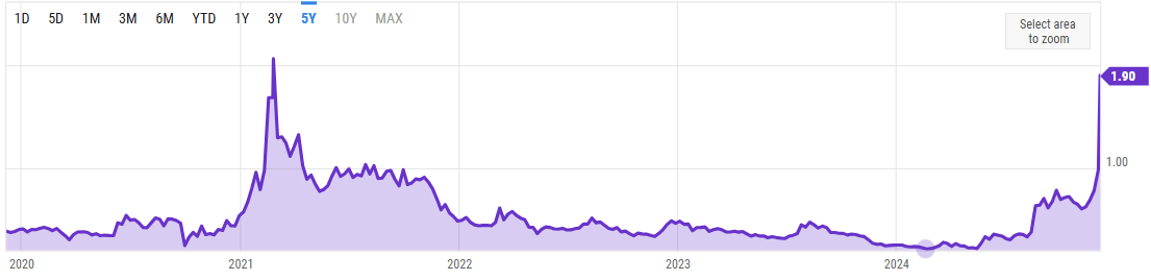
Historically, antimony prices have shown significant fluctuations.
- • 2000–2010: Stable at $2,000 per metric ton.
- • 2011: Surged to $16,000 due to increased industrial demand.
- • 2024: Reached a record high of $25,000 per metric ton, driven by Chinese restrictions and rising demand for renewable energy.
- Demand for antimony in energy storage and renewable energy technologies is expected to grow annually.
- Its role in defence and electronics ensures sustained demand regardless of market cycles.
- • Growing Industrial Demand: Renewable energy, electronics, and defense are all expanding markets.
- • Supply Chain Investments: Domestic mining projects outside China, such as those in the U.S. and Australia, are gaining momentum.
- • Geopolitical Dependencies: Heavy reliance on China poses supply risks.
- • Price Volatility: Fluctuating prices could impact short-term returns.
- • Diversify investments across multiple critical minerals and regions.
- • Monitor geopolitical developments and prioritize long-term investment horizons.
Rising Demand
The push for renewable energy and electrification is fueling antimony demand. Its applications in solar panels and EV batteries align with global decarbonization goals.
But while solar panels and flame retardants are the biggest drivers of demand for antimony, the weapons industry is also a very important demand driver. With wars in Ukraine and the Middle East showing no sign of stopping and China controlling a large chunk of antimony, many countries are scrambling to secure supplies of antimony.
Supply Concentration and Disruption
China controls a major percentage of global antimony production. China`s recent ban on antimony exports have put a dent in global antimony supply, driving spot prices. This sharp rise highlights the fragility of global supply chains.
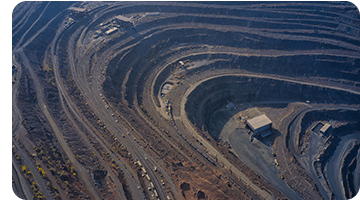
However Russia also has antimony deposits but due to sanctions these deposits are locked up, the same applies to China. Any change in this situation could see these deposits unlock, leading to an increase in supply but for the time being this supply shortage is likely to continue.
Supply Diversification Efforts
In response to supply risks, countries like the U.S. are exploring domestic production. Projects like Perpetua Resources’ Stibnite mine in Idaho aim to reduce reliance on imports and stabilize supply chains.

Investment Potential: Why Antimony Matters
1. Strategic Importance
Antimony’s designation as a critical mineral ensures government-backed initiatives for secure supply chains and domestic production.
2. Long-Term Growth Drivers
3. Price Growth and ROI Potential
With prices more than doubling in 2024, antimony presents opportunities for investors to capitalize on supply-demand imbalances. Analysts predict continued growth in the coming years.
4. Scarcity Value
With limited reserves and production concentrated in a few countries, antimony’s scarcity boosts its investment appeal.

Comparing Antimony to Other Critical Minerals
Investors often compare antimony with more prominent critical minerals like lithium or cobalt. While lithium dominates the EV battery market and cobalt is vital for high-energy batteries, antimony’s unique role in flame retardants, defence, and grid-scale energy storage sets it apart. Additionally, antimony’s dual utility in legacy and emerging technologies offers a diversified growth trajectory.

Opportunities and Risks
Opportunities
Risks
Mitigation Strategies
The Investor Takeaway

As industries pivot towards sustainability and technological advancement, antimony’s strategic importance is becoming increasingly apparent. Its critical role in energy storage, renewable energy, and national security underscores its value in the global economy.
While risks like price volatility and supply concentration exist, antimony offers significant upside potential for forward-thinking investors. With rising demand, constrained supply, and geopolitical shifts, it stands poised to become a cornerstone of the critical minerals market.
By aligning with future-forward trends, investors can position antimony as a key component in their diversified portfolios. The time to act is now—before this hidden gem becomes a mainstream must-have.