
How will energy stocks perform in 2024
How will Energy Stocks perform in 2024

Renewable energy was the fastest-growing energy source in the United States in the last decade. Increasing at a staggering 42% from 2010 to 2020. In 2022, renewable energy sources made up about 13.1% of total U.S. primary energy consumption. This figure is only expected to rise, given the global push towards cleaner, more sustainable energy solutions.
The market is signalling that renewable energy is not just the future; it's the present. As the world transitions into 2024, investors looking to ride the wave of this green revolution are setting their sights on energy stocks, particularly those linked to renewable sources.
So, what does 2024 hold for energy stocks? Let's dive in and explore the potential of this booming sector.
Energy stocks include companies involved in the exploration, extraction, and refinement of oil and gas, as well as those in the burgeoning renewable energy sector.
As the world transitions towards 2024, the performance of energy stocks is of particular interest for several reasons. Firstly, the transition towards more sustainable and renewable energy sources has accelerated. Governments around the world are committing to ambitious climate targets and corporations are increasingly investing in green technologies.
Secondly, the ongoing recovery from the COVID-19 pandemic is still underway and expected to fuel a surge in energy demand. This resurgence in demand, coupled with supply constraints and the push for cleaner energy, presents a lucrative opportunity for investors.
Finally, there's the question of volatility in oil prices. The nature of oil prices can significantly impact the performance of energy stocks. In 2023, we saw oil prices remain sticky at high levels, bolstering many energy stocks.
Given the increasing global commitment to climate change mitigation, technological advancements in renewable energy, and the anticipated rise in energy demand in the post-pandemic world, we can safely predict that energy stocks - particularly those in the renewable sector - are set up for robust growth in 2024.
Current Trends in Energy Stocks (2021-2023)The energy sector has seen a turbulent yet overall positive performance from 2021 to 2023. The energy sector performed exceptionally well during 2021-22 with high energy prices driven by tight supplies and rising demand in the post covid world. The energy sector even outperformed the broader U.S. stock market in 2022.
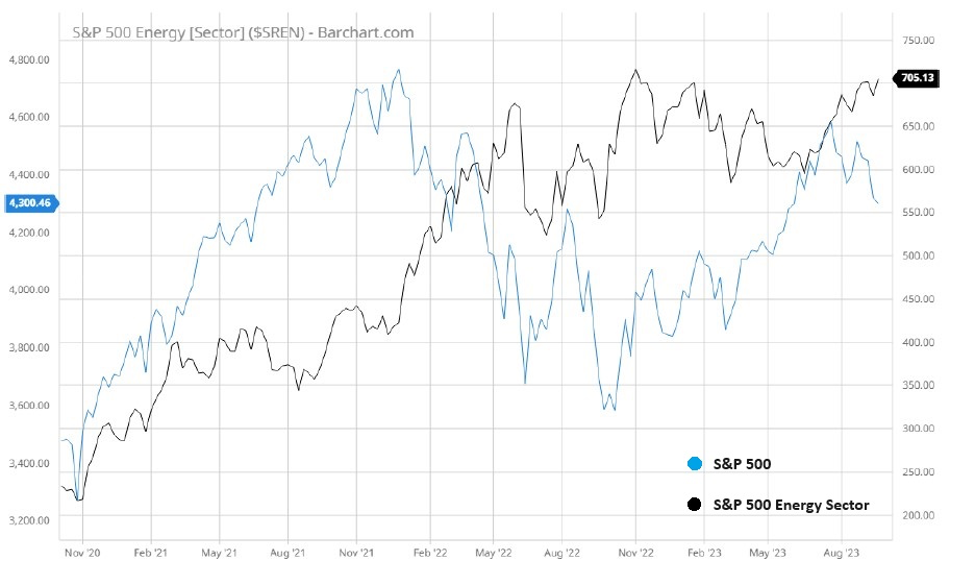
The first half of 2023 saw a slowdown in the momentum of energy stocks due to a slowdown in global growth affecting the shares of energy companies. Despite this, contrarians predicted that U.S. energy shares would rebound in the second half of 2023, which we are currently experiencing.

Some of the best-performing energy stocks as of September 2023 were EQT with a gain of 27.8%, Marathon Petroleum (MPC) and Baker Hughes (BKR) with a 22.6% gain. Others like Exxon Mobil Corp (XOM) and Chevron Corp (CVX) also maintained a steady performance.
This shows that while the energy sector faced some challenges in the first half of 2023, it has shown signs of resilience thanks to favourable market dynamics and the strong performance of certain stocks.
Events impacting the Energy sector

Source: IMF

The surge in inflation to 40-year highs had a bullish impact on energy stocks. However, the momentum slowed at the start of 2023 due to the Central Banks being hawkish but with banks expected to start cutting rates in 2024, many analysts believe that the rally in U.S. energy stocks has more potential.
Geopolitical Concerns
Secondly, geopolitical and economic concerns continue to make energy markets extremely vulnerable. In 2022, supply-side issues and rising demand fueled high energy prices, leading to a strong year for the energy sector. However, the energy industry struggled with a drop in oil and gas prices due to dampened demand from the ongoing effects of the COVID-19 pandemic.
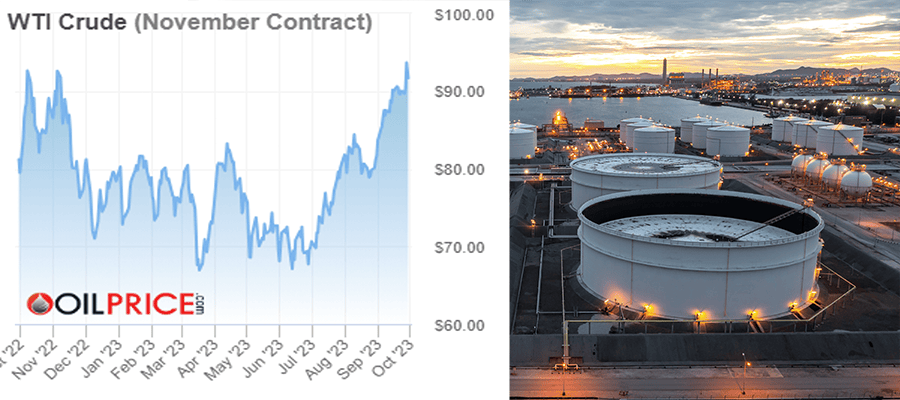
Source: OilPrice

Recently oil prices saw a 20% increase, causing a rebound in energy stocks - a development contrary to investors' expectations earlier in the year. This volatility highlights the effect of macroeconomic shocks on the energy sector.
These events provide crucial context for our analysis of the performance of energy stocks in 2024. With the complex interplay of market forces, geopolitical factors, and the ongoing transition to renewable energy, the stage is set for a fascinating year in the energy sector.
Technological advancements impacting the Energy sector:

Technological advancements always play a key role in cutting costs and driving profitability up. The following technologies are expected to impact the energy sector in the near future.
1. Energy Storage: With improvements in battery technology, storing energy generated from renewable sources like wind and solar has become more efficient. This could drive the growth of companies specializing in energy storage solutions.
2. AI and Machine Learning: By analyzing patterns in energy generation and consumption, AI can optimize energy use and reduce waste, potentially boosting the profitability of companies in this space.

3. Internet of Things (IoT): IoT is playing a critical role in balancing energy supply and demand. This could lead to more efficient energy management and increased profit margins for energy companies.
4. Blockchain: This technology is being used to popularize energy access equality. By facilitating peer-to-peer energy trading, blockchain could democratize access to energy and stimulate growth in the renewable energy sector.
5. Hydrogen Energy: Hydrogen is gaining traction as a clean energy source. With its potential to store energy and fuel vehicles, hydrogen could play a crucial role in the transition to a low-carbon economy.
These technological advancements could significantly influence the performance of energy stocks in 2024, particularly those companies that are at the forefront of these innovations.
Expert predictions
Most of the leading market experts believe that the energy stocks are in for a profitable 2024.
1. EIA Forecasts: The U.S. Energy Information Administration (EIA) has forecasted that Brent crude oil prices will rise to the mid-$80 per barrel range by the end of 2024, up from the June 2023 average of $75 per barrel. This forecast suggests that oil-related energy stocks might see a boost in the coming year.
2. Goldman Sachs Warning: Goldman Sachs has forecasted that oil faces a 'serious problem' by 2024 as production capacity runs out. This could lead to a significant increase in oil prices, potentially benefiting oil companies and their stock prices.
3. Fidelity's Outlook: Fidelity has forecasted that energy stocks have slowed slightly this year, with oil prices softening on fears of an economic downturn. However, the long-term outlook remains positive, indicating potential growth opportunities for investors in energy stocks.
4. Global X ETFs' View: Consumption is forecasted to rise by 1.6 million barrels per day (b/d) in 2023 and by an additional 1.7 million b/d in 2024. This is likely to drive demand for energy, potentially leading to an increase in energy stock prices.
These expert insights suggest that while there may be some challenges ahead, there are also plenty of opportunities for growth in the energy sector.
Risk Factors
Investing in energy stocks can be a rollercoaster ride due to factors like fluctuating energy prices, economic cycles, and regulatory changes. For instance, a sudden dip in oil prices or an economic downturn could negatively affect these stocks. Regulatory shifts, especially those around environmental concerns, can also impact traditional energy companies' profits. Additionally, geopolitical events like conflicts in oil-rich regions, trade policy alterations, and climate-focused policies can cause market unrest. So, while energy stocks offer ample opportunities, it's crucial for investors to stay aware of these potential risk factors to make informed decisions.
Investor Takeaway
The energy sector, particularly renewable energy, presents an exciting investment opportunity. This sector has demonstrated resilience and profitability, with major companies reporting substantial profits in recent years.
The transition to renewable energy, driven by environmental concerns and regulatory changes, is creating new opportunities for growth. As societies worldwide strive to mitigate climate change impacts, the demand for renewable energy sources is expected to increase, potentially leading to higher returns for investors in this sector.
However, as with any investment, it's crucial to thoroughly research and understand the associated risks. The energy sector faces challenges such as fluctuating energy prices, economic cycles, and regulatory changes. Therefore, a well-considered, long-term investment strategy is essential.