
How Whisky Matures Into a High-Yield Asset
How Whisky Matures Into a High-Yield Asset
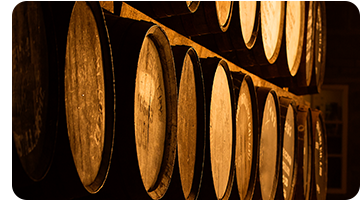
Whisky, a storied spirit with deep cultural roots, has evolved into a compelling investment asset over recent decades. Its maturation process not only refines its flavour but also enhances its value, making it an attractive option for investors seeking diversification. This article explores the current trends in the whisky market and the factors contributing to whisky's potential as a high-yield investment.
Whisky Market Trends and Future Outlook
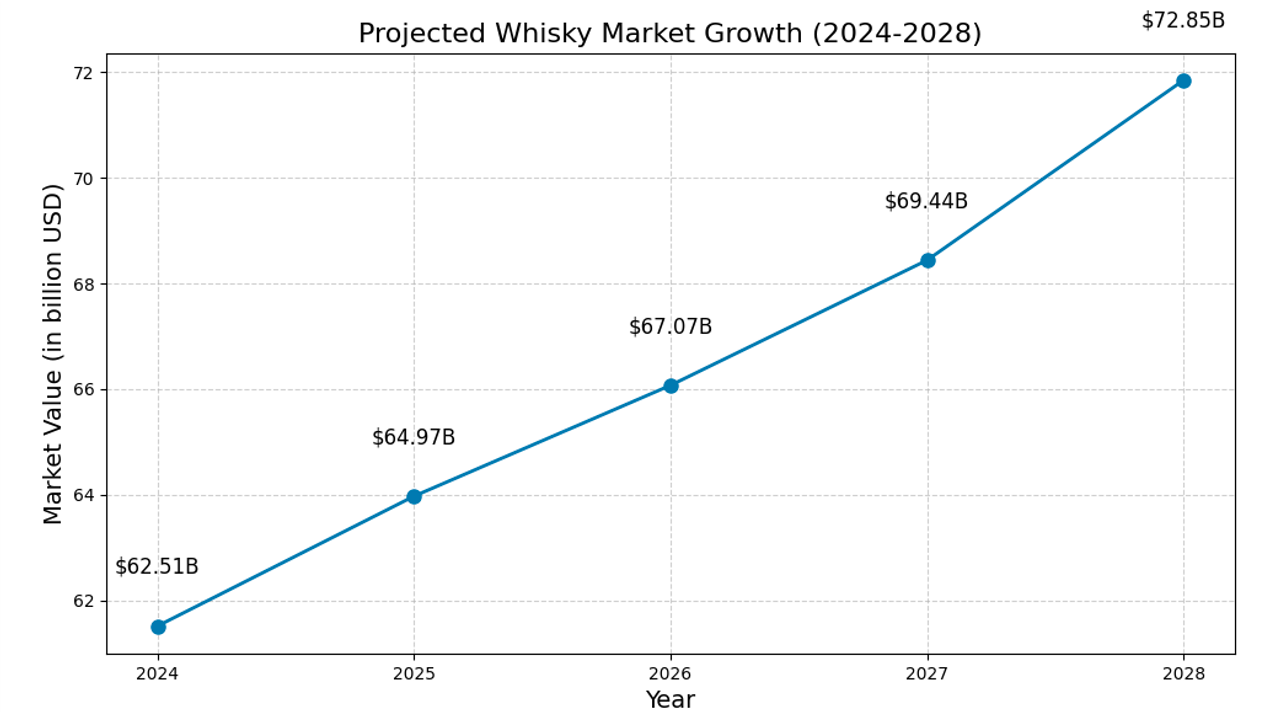
The global whisky market has experienced significant growth, driven by increasing consumer demand, product innovation, and the expansion of cocktail culture. In 2024, the market was valued at approximately $61.51 billion and is projected to grow at a compound annual growth rate (CAGR) of around 4%, reaching $71.85 billion by 2028.
Emerging markets, particularly in the Asia-Pacific region, are contributing to this growth. Countries like India, China, and Taiwan are witnessing a surge in whisky consumption, with the Asia-Pacific whisky market expected to exceed $54.9 billion by 2032.
Premiumization is another key trend, with consumers showing a growing preference for high-quality, aged whiskies. This shift is driving demand for luxury and limited-edition releases, further boosting the market's value.
The Allure of Japanese Mizunara Oak Casks
Japanese whisky has garnered international acclaim for its craftsmanship and distinctive flavour profiles. A significant factor contributing to this uniqueness is the use of Mizunara oak casks for maturation.
Characteristics of Mizunara Oak
Mizunara, or Japanese oak (Quercus crispula), is indigenous to Japan's northernmost prefecture, Hokkaidō. The trees require at least 200 years to mature before they can be harvested for cask production. The wood's tight grain and porous nature allow whisky to penetrate deeply, imparting complex flavours such as sandalwood, coconut, and oriental spices.
Challenges and Rarity
Crafting casks from Mizunara oak presents several challenges. The wood is notoriously difficult to work with due to its propensity to leak and its hard, dense structure. These factors, combined with the scarcity of mature trees, make Mizunara casks exceedingly rare and expensive, with prices exceeding $6,000 per cask.
Impact on Whisky
Whiskies aged in Mizunara casks are renowned for their unique flavour profiles, characterized by notes of sandalwood, coconut, and oriental spices. These distinctive attributes have made Mizunara-aged whiskies highly sought after by collectors and connoisseurs, often commanding premium prices in the market.

Whisky as an Attractive Investment
Investing in whisky, particularly in casks, has gained momentum due to several compelling factors:
Tangible Asset
Whisky casks represent a physical asset that investors can own and store, providing a sense of security and tangibility. This differentiates whisky from more abstract investment vehicles like stocks or bonds.
Appreciation Over Time
As whisky matures, its flavour profile and value typically enhance. Historical data indicates that certain whisky casks have appreciated significantly over time. For instance, a cask of 1988 Macallan sold for £1 million in 2022, exemplifying the potential returns in this market.
Market Demand
The global appreciation for premium and rare whiskies has led to increased demand, driving up prices for both bottles and casks. The rise of whisky tourism and the expansion of whisky festivals worldwide have further fueled interest and investment in the sector.
Portfolio Diversification
Whisky offers an alternative investment avenue, allowing diversification beyond traditional financial instruments. Its low correlation with standard asset classes can provide a hedge against market volatility.
Case Study: Mizunara-Aged Whiskies
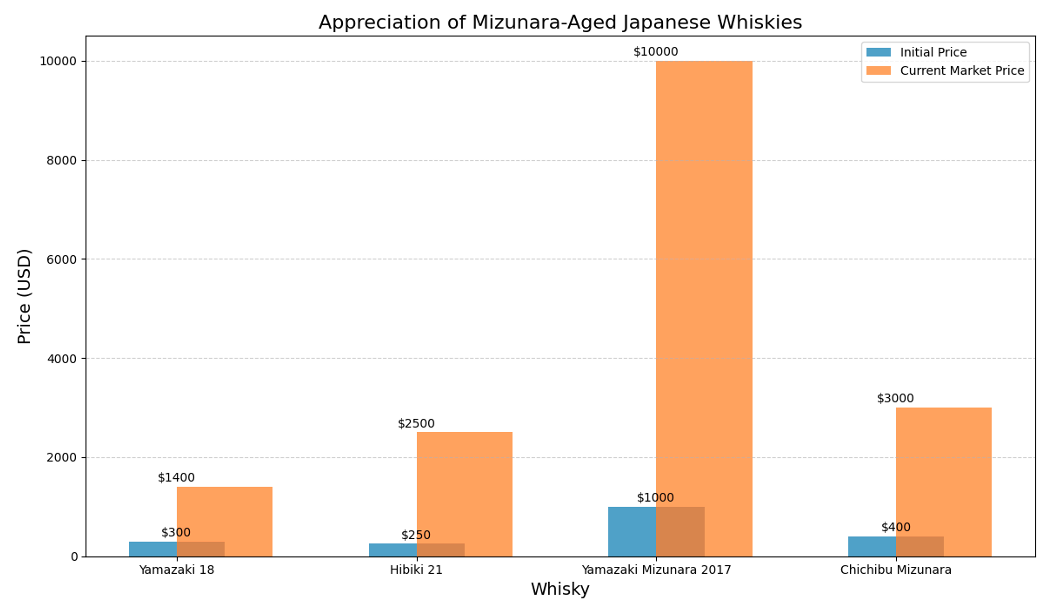
Whiskies aged in Mizunara oak casks have seen remarkable appreciation in value. For example, the Yamazaki Mizunara 2017 Edition, initially released at a fraction of its current market price, now sells for nearly $10,000, reflecting the high demand and limited supply of such expressions.
Considerations for Investors
While the whisky market presents lucrative opportunities, potential investors should consider the following:
Market Volatility
The whisky market is not immune to economic downturns. Recent reports indicate a decline in rare whisky auction sales, with the volume of bottles sold for over £1,000 falling by 34% and their value decreasing by 40% in the year leading up to October 2024.

Liquidity
Investing in whisky casks requires a long-term perspective, as the market is less liquid compared to traditional assets. Selling casks can take time, and investors should be prepared for the long maturation periods associated with whisky.
Storage and Maintenance
Proper storage is crucial to preserve the quality and value of whisky casks. Investors must account for storage costs and ensure that casks are kept in optimal conditions to prevent spoilage or damage.
Authenticity and Verification
The rise in whisky's popularity has unfortunately led to an increase in counterfeit products. Investors should conduct thorough due diligence and work with reputable dealers to verify the authenticity of their investments.
Investor Takeaway
Whisky, particularly rare and premium variants like those matured in Mizunara oak casks, offers high-net-worth investors a unique and potentially lucrative investment avenue. Its resilience in economic downturns, strong secondary market, and potential for impressive returns make it an appealing diversification strategy. For discerning investors, whisky is not just a sophisticated indulgence; it's a tangible asset capable of delivering significant financial growth alongside cultural prestige.
By navigating the market carefully and understanding its nuances, investors can capitalize on whisky's distinctive characteristics to achieve substantial, enduring returns.